

We can start our discussion of media by defining and describing different kinds of media that children are using today. Modern media comes in many different formats, including print media (books, magazines, newspapers), television, movies, video games, music, cell phones, various kinds of software, and the Internet. Each type of media involves both contents, and also a device or object through which that content is delivered.
Print Media
The term ‘print media is used to describe the traditional or “old-fashioned” print-based media that today’s parents grew up with, including newspapers, magazines, books, and comics or graphic novels. Historically, only wealthy publishers had access to sophisticated type-setting technologies necessary to create printed material, but this has changed in recent years with the widespread accessibility of desktop publishing software and print-on-demand publication services such as Lulu.com (LINK). More recently, electronic book readers such as the Amazon Kindle which store hundreds of books on a single device and which allow readers to directly download books and newspapers have become popular.
Television
Television has been entertaining American families for over fifty years. In the beginning, there were few programs to pick from, but today, there are literally hundreds of general and specialty channels to choose from and thousands upon thousands of programs. Where it was once the case that programs had to be watched at the time they were broadcast on television, this is no longer the case. Today, viewers can summon a movie or television episode whenever they want, through many cable or satellite services’ pay-per-view or free on-demand services. They may also download or stream episodes from the Internet and watch them on their computers. Viewers may use DVR (digital video recorder) devices, such as a Tivo to record programs at one time and watch them at another time. Viewers with certain cell phones may even watch programs through their cell phones.
Movies
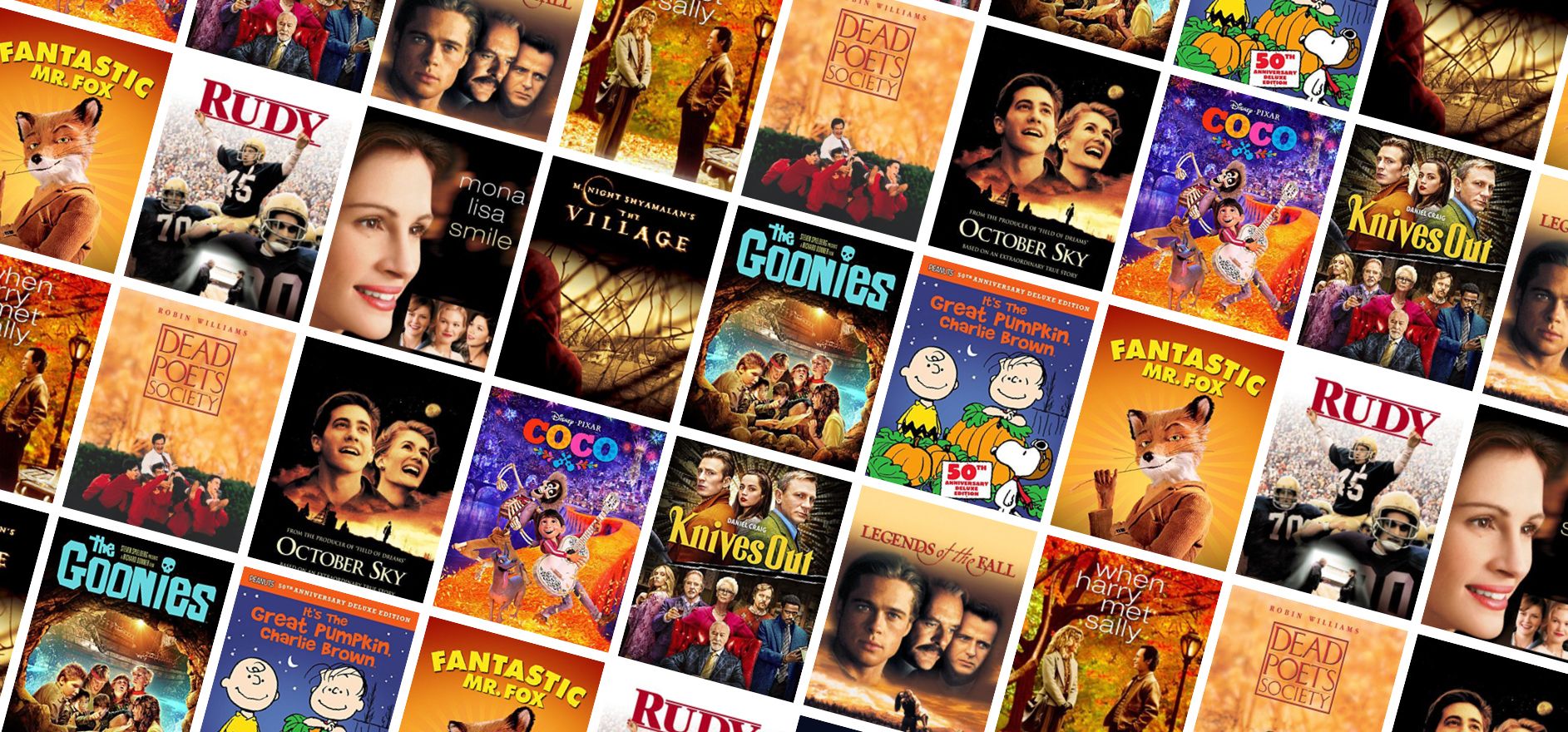
Movies (films) are the oldest form of motion picture technology capable of capturing lifelike video-style images. Originally, movies could only be consumed at a neighborhood movie theater, but these days movies are widely available for people to consume in their homes, on their computers, and even in through their telephones. Commercial movies are broadcast on television, and via cable and satellite services which may feature High Definition (HD) video resolution and sound, essentially allowing the movie theater experience to be replicated in a home theater environment. Commercial movies are also distributed on DVD and Blu-Ray disks, which can be rented from stores and through the-mail services such as Netflix, and through downloadable computer files, which can be legally downloaded from movie rental services such as Amazon and iTunes or streamed through Netflix or on-demand cable services. Home movies produced by amateurs with inexpensive video cameras are now also widely available through video-sharing websites such as YouTube.com and Vimeo.com.
Video Games
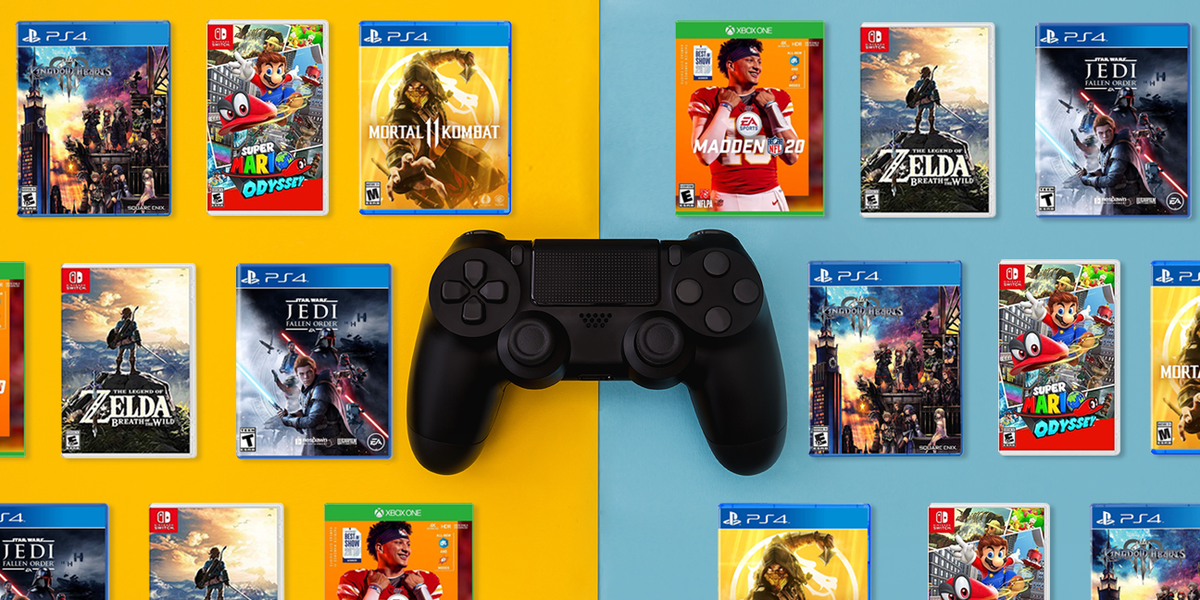
Available since the early 1980s, video games have only grown in popularity among youth. Today’s games make use of advanced graphics and processors to enable three-dimensional gameplay featuring highly realistic landscapes and physics simulations, and the ability to compete against other players through a network connection. Modern video games are immersive, exciting, and increasingly interactive. Players feel like they really are in the situation because of the life-like graphics and sounds. Through video games, youth can extend their pretend play, as they become soldiers, aliens, race car drivers, street fighters, and football players.
Popular gaming consoles today include Nintendo Wii, Microsoft Xbox 360 and Sony Playstation III. There are also handheld consoles that enable mobile gameplay such as Nintendo’s DS. As well, some video games can also be played on personal computers. Most video games use a hand-held device with buttons, joysticks, and other devices for manipulating the characters on the screen. However, the newer games systems use motion-detecting sensors, such as accelerometers which encourage players to move their entire body to complete game activities. For example, in Wii Tennis, a player swings his entire arm to have the player on the screen hit the tennis ball.
Games such as the recently popular World of Warcraft are played in a networked universe shared simultaneously by thousands of gamers at once. Players may be across the street from one another or across the globe using the Internet to participate in a shared three-dimensional world in which each player can control one or more avatars, and chat using text or voice.